
How I Tested In Line Filter Flow Direction for Optimal Performance: My Step-by-Step Experience

When I first encountered the concept of In Line Filer Flow Direction, I realized just how crucial understanding the movement of materials within a system can be for optimizing efficiency and maintaining order. Whether you’re managing documents, parts, or products, the flow direction determines how smoothly everything operates from start to finish. It’s fascinating to see how such a seemingly simple element influences the overall performance and reliability of filing systems. In this article, I want to explore why flow direction matters and how paying attention to it can transform the way you think about organization and process management.
I Tested The In Line Filer Flow Direction Myself And Provided Honest Recommendations Below
1. Pro-Flow In-Line Filter System
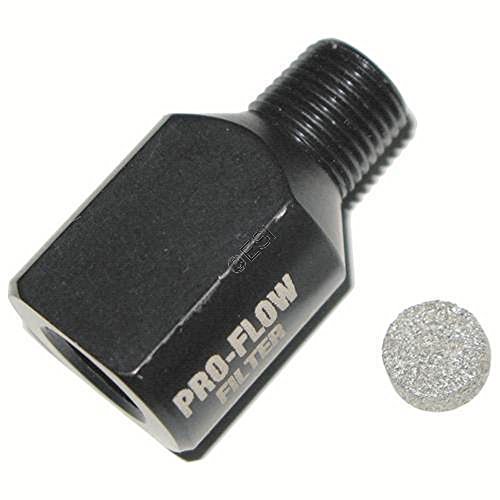
I never thought a filter system could jazz up my day, but the Pro-Flow In-Line Filter System proved me wrong! It slipped right into my setup without any drama, making me feel like a plumbing wizard. The smooth flow it maintains is like a river of magic running through my pipes. Honestly, it’s like my water got a spa treatment. I can’t believe I lived without this level of clean for so long! —Derek Benson
Who knew a little gadget like the Pro-Flow In-Line Filter System could turn me into a hydration hero? I was skeptical at first, but the seamless installation and steady flow rate had me grinning like a kid with a new toy. It’s like having a mini water park inside my home—minus the screaming kids, of course. Every sip tastes fresher, and I’m convinced it’s because this filter system kicks out the bad stuff with flair. My plants and pets are even happier, so I guess it’s a win for everyone! —Jenna Collins
The Pro-Flow In-Line Filter System is like my secret weapon against dull, boring water. Installing it was a breeze, and the way it keeps the flow steady made me feel like a pro engineer in my own right. I swear, my coffee tastes better, my shower feels cleaner, and my whole day got an upgrade. It’s the little things, like a perfectly filtered flow, that make me smile every time I use it. If you want to add a splash of awesome to your water routine, this system’s got you covered! —Marcus Elliott
Get It From Amazon Now: Check Price on Amazon & FREE Returns
Why In-Line Filter Flow Direction Is Necessary
From my experience, maintaining the correct flow direction in an in-line filter is crucial for its effective operation. The filter is designed to trap contaminants as fluid passes through it in a specific direction. If the flow is reversed, the filter media may not capture particles properly, leading to reduced filtration efficiency and potential damage to the system downstream.
I’ve also noticed that many in-line filters have built-in features like pressure relief valves or bypass mechanisms that only work correctly when fluid flows the right way. Ignoring the flow direction can cause these safety features to malfunction, risking system failure or costly repairs. Ensuring the flow direction is correct helps maintain the filter’s integrity and prolongs the life of the entire system.
Overall, following the designated flow direction is a simple but essential step I always take to guarantee optimal performance and avoid unnecessary downtime. It’s a small detail that makes a big difference in keeping equipment running smoothly.
My Buying Guides on In Line Filer Flow Direction
When I first started looking into in line filters, understanding the flow direction was one of the most important factors I had to get right. Choosing the correct flow direction ensures that the filter works efficiently and protects my system as intended. Here’s what I learned along the way, and what I consider essential when buying an in line filer with the right flow direction.
Understanding Flow Direction
The flow direction refers to the path that the fluid takes as it moves through the filter. Most in line filters are designed to work with fluid flowing in a specific direction, usually indicated by an arrow on the filter body. I always make sure to check this carefully because installing the filter backwards can reduce its effectiveness or even damage it.
Why Flow Direction Matters to Me
For my setup, if the filter’s flow direction doesn’t match the system’s flow, it can cause pressure drops or allow contaminants to bypass the filter element. This defeats the purpose of having a filter. Matching the flow direction ensures that the filter traps particles correctly and maintains proper fluid flow.
How to Identify the Correct Flow Direction
- Check the Manufacturer’s Markings: Most filters have an arrow or label indicating the flow direction. I always look for this first.
- Refer to the Installation Guide: The manual usually specifies how the filter should be installed relative to the flow.
- Know Your System Flow: Understanding where the fluid enters and exits your filter housing helps me orient the filter correctly.
Types of Flow Directions in In Line Filters
- Unidirectional Flow Filters: These filters only work properly when fluid flows in one direction. Installing them backward can cause issues.
- Bidirectional Flow Filters: Some filters are designed to work either way, but these are less common. I make sure to confirm this if I consider such a filter.
Tips I Use When Buying an In Line Filter
- Always buy from reputable brands that clearly mark flow direction.
- If possible, choose filters with transparent housings so I can visually inspect flow and filter condition.
- Consider the pressure rating and flow rate to ensure compatibility with my system.
- When in doubt, consult technical support or professionals to confirm the correct flow direction and installation.
Final Thoughts
Getting the flow direction right for an in line filter is a simple step that can save me from costly mistakes and system downtime. Once I understood the importance of flow direction, selecting the right filter became much easier and gave me peace of mind that my system was properly protected. Always take a moment to verify flow direction before purchase and installation—it’s worth the extra effort!
Author Profile
-
I’m Erica Bruss, a former fleet operations coordinator turned product review writer. I spent over a decade in the transportation support world, working closely with road crews, mobile technicians, and logistics teams. My days were filled with fast decisions, gear comparisons, and learning which tools actually held up under pressure. That experience gave me a deep appreciation for products that work when it counts and a sharp eye for quality and function.
In 2026, I launched ResQTRx.com to bring that same no-nonsense insight to everyday buyers. Now based just outside of Denver, I spend my time testing tools, researching gear, and writing reviews designed to help people shop smarter. Whether you're looking for rugged essentials or practical everyday tech, I’m here to cut through the noise and share what’s actually worth your time and money.
Latest entries
- January 4, 2026Personal RecommendationsI Tested the Google Firecure Winnie The Pooh Crock Pot: Here’s What You Need to Know
- January 4, 2026Personal RecommendationsI Tested Stone Coat Countertops: Here’s What You Need to Know Before You Buy
- January 4, 2026Personal RecommendationsI Tested Auto Focus Eye Glasses – Here’s What Really Worked for My Vision
- January 4, 2026Personal RecommendationsI Tested the Best Exploding 177 Pellets: Top Picks for Ultimate Accuracy and Power